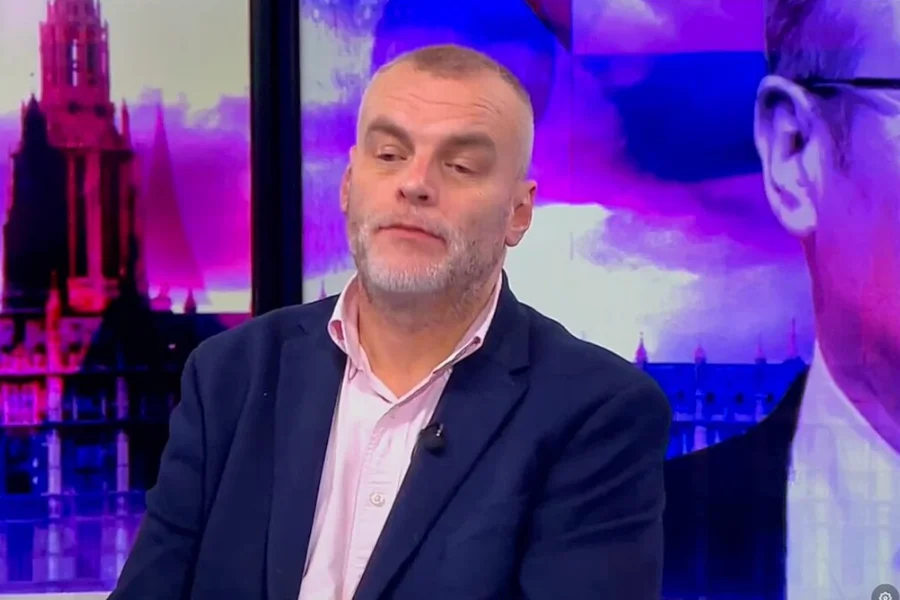
5 Surprising Insights: Has Tim Montgomerie Got a Speech Impediment?
Has tim montgomerie got a speech impediment: You might have seen Tim Montgomerie on TV, in interviews, or online and noticed the way he speaks. With all the speculation floating around social media, it can be confusing to separate fact from rumor. In this article, we’ll take a close look at Tim’s speaking style, explain what a speech impediment actually is, and explore why people might notice differences in how he talks—all in a clear, respectful way.
Who Is Tim Montgomerie?
Tim Montgomerie is a prominent British political commentator, journalist, and public speaker. He’s perhaps best known as the founder of ConservativeHome, a website dedicated to discussing UK politics and conservative ideas. Over the years, he’s also written for major outlets like The Times and The Spectator and appeared regularly on the BBC and other media platforms. His insights are widely respected in political circles, and he’s known for his calm, thoughtful approach to debates and commentary.
Beyond his media presence, Tim’s background helps explain his unique perspective. He grew up in a military family, moving around places like Germany and Northern Ireland as a child. He later studied Economics and Geography at the University of Exeter and co-founded the Centre for Social Justice, combining policy insight with social concern. His career path—from journalism to political strategy—has shaped not just what he says, but how he communicates.
Because Tim is frequently on television and radio, his speaking style is highly visible. That visibility naturally leads people to pay attention to how he talks, which sometimes sparks questions about speech or health. Understanding who he is and the context in which he speaks is important before jumping to conclusions about any perceived speech differences.
Understanding Speech Differences
A lot of people hear an accent, a pause, or a stretched syllable and immediately wonder if it’s a speech impediment. To answer that question, it helps to understand what speech differences are and what counts as a true speech impediment. A speech impediment is a medical or developmental condition that affects the clarity, fluency, or rhythm of a person’s speech. Examples include stuttering, lisping, certain articulation difficulties, or delays in language development.
But there’s a big difference between a medical speech condition and natural variations in how someone talks. Everyone has a unique voice. Accents, regional pronunciation, and individual speaking habits can all make speech sound unusual to someone from a different background. For instance, a Devon accent might sound unusual to a London audience, or someone who pauses to think carefully before speaking might sound “different,” even though their speech is completely normal. Even experienced public speakers often pause or change their pace to make sure their message comes across clearly—pauses do not indicate a problem.
Another factor is the way media can distort speech. Microphones, recording equipment, and live broadcast settings can make a person’s voice sound different than it does in real life. Nervousness or the pressure of a live interview can also cause small irregularities. Understanding these points is key because they explain why people sometimes perceive differences that aren’t actually speech impediments.
Examining Tim Montgomerie’s Speech
When we look closely at Tim Montgomerie’s speech in interviews, debates, and public appearances, a few things stand out. He speaks deliberately and clearly. He often pauses to select his words carefully, which gives him a thoughtful and precise tone. This is a deliberate style that many professional speakers use to ensure their message is understood. It’s similar to a teacher pausing to explain a tricky concept in class—you wouldn’t assume the teacher has a speech problem.
Sometimes, viewers notice moments where a word is slightly stretched or a sentence is broken up in a way that seems unusual. But these small quirks don’t indicate a long-term speech impediment. They are part of his natural rhythm and communication style. Even in fast-paced debates, Tim’s speech remains consistent, confident, and intelligible.
Another aspect to consider is his accent and regional influences. Tim grew up in different parts of the UK and abroad, and his speech reflects those experiences. Accents can make certain sounds stand out or words seem unusual to people who aren’t familiar with them. Combine that with the way live media captures speech, and it’s easy to see why some people might misinterpret normal speech patterns as a problem.
Is There Evidence of a Speech Impediment?
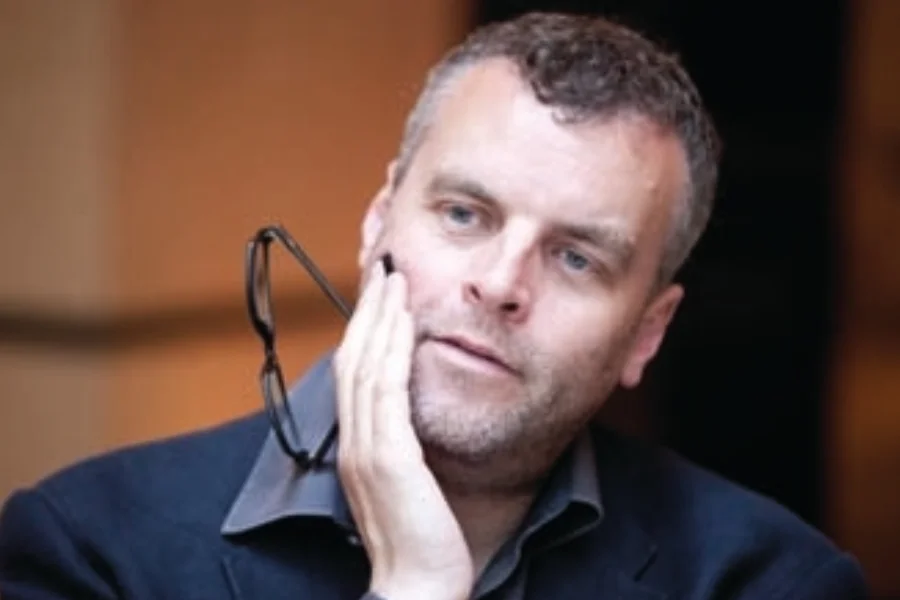
Here’s where the facts matter. After reviewing public records, interviews, and Tim’s own statements, there is no evidence that he has a speech impediment. He has never mentioned one in interviews, on social media, or in professional biographies. No credible media outlet has reported a diagnosis of any speech condition.
What often fuels speculation are brief observations, like a word that sounds slurred or a pause in a sentence. These instances happen to nearly everyone from time to time. Factors like nerves, audio quality, or a live broadcast setting can create moments that look unusual on screen. That doesn’t mean someone has a medical condition affecting their speech.
It’s also important to remember that speculation spreads quickly online. A single comment on social media can create a rumor that grows without verification. In Tim’s case, some viewers have noticed his speaking style and assumed it indicates a problem. But careful analysis shows these are normal speech variations, not a long-term impediment.
Other Health Speculations and Facts
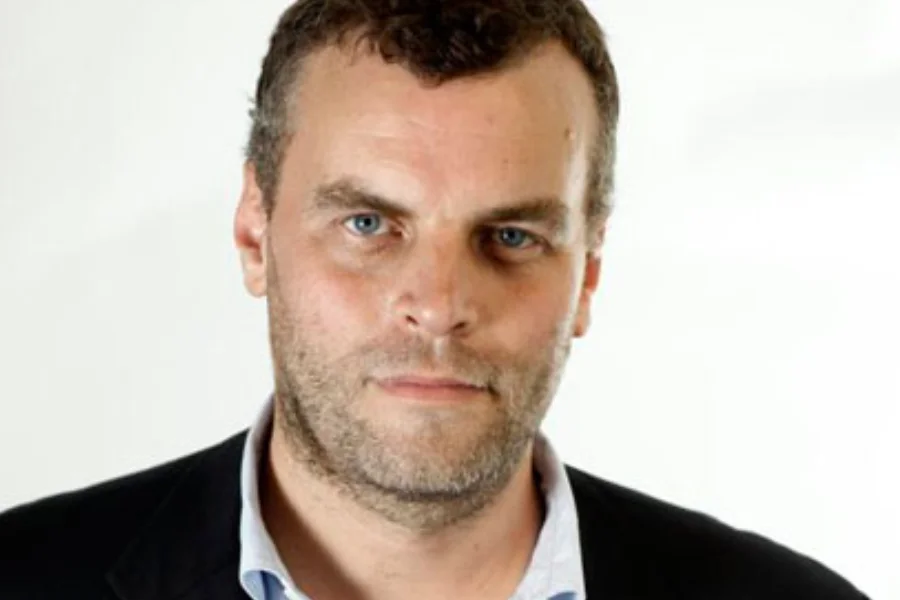
Alongside speech rumors, some articles and social media posts have speculated about Tim’s health more broadly. Some wonder if he has had serious illness, strokes, or other physical conditions. Here’s the reality: no verified sources have reported any chronic or serious physical health problems for Tim. Reputable outlets have not published medical information confirming such claims.
There has been some discussion about mental health, especially during stressful periods like the COVID-19 pandemic. Tim, like many public figures, has commented in general terms about mental well-being, community support, and emotional resilience. These remarks reflect thoughtful awareness rather than an admission of illness. Public absence from the media at times can also spark speculation, but this often relates to professional focus rather than health issues.
Understanding this helps put rumors in perspective. The human brain naturally fills gaps when information is missing. If someone doesn’t share personal health details, people may assume the worst. The key is to separate verified facts from conjecture and respect the private nature of someone’s health.
Media and Public Perception
Being a visible public figure comes with intense scrutiny. Every word and every pause can be noticed, analyzed, and sometimes misinterpreted. Social media amplifies these small observations, often turning them into discussions or debates that exaggerate minor details.
Speech style, in particular, is easy to misread. Pauses, pacing, and accent differences can seem unusual to some viewers, but they’re often deliberate choices. Tim’s thoughtful, measured tone is part of how he communicates clearly and effectively in debates and interviews. People may interpret this as “different,” but that’s not a problem—it’s a skill.
Media perception also shapes public assumptions. Headlines that hint at speech or health “issues” get clicks, even if the underlying information is unverified. That’s why online speculation spreads faster than careful reporting. Understanding this context helps you see that public perception isn’t always reality.
Personal Life and Privacy

Tim Montgomerie is a public figure, but he is also a private individual. He has chosen not to share many details about his personal life, including information about his partner, family, or home life. This is intentional, and it’s important to respect. In today’s world, the lines between public and private are often blurred, especially for people who appear regularly in media. Just because someone doesn’t make certain aspects of their life public doesn’t mean there’s a problem. It simply means they value privacy.
This careful discretion also extends to discussions about health, speech, and personal habits. When someone in the public eye speaks carefully or pauses in an interview, it can attract attention—and sometimes speculation. Viewers might wonder if a pause indicates a speech issue, health concern, or nervousness. In reality, many of these observations are normal and benign. By keeping his personal life private, Tim ensures that attention remains on his professional work, ideas, and commentary, rather than on unverified assumptions or gossip.
Respecting this privacy matters not just for him, but for the audience as well. When we allow public figures some boundaries, we can focus on the value they bring rather than becoming preoccupied with personal details that are irrelevant to their work. In Tim’s case, his professionalism, writing, and political insight are what truly define his impact. His choice to maintain a private life allows him to continue contributing meaningfully without distraction or undue speculation.
For everyday readers, this also serves as a reminder: privacy doesn’t equal secrecy, and not knowing every detail about someone’s life is perfectly normal. Public figures are people too, and respecting their boundaries helps create a healthier, more informed conversation.
Conclusion
So, does Tim Montgomerie have a speech impediment? After examining all available evidence, the answer is clearly no. His speech is consistent, clear, and deliberate. Any small pauses, emphasis, or quirks in the way he talks are part of his unique style, shaped by his upbringing, education, and professional experience. These nuances are not signs of a problem—they are hallmarks of a careful communicator who values clarity and precision.
What’s interesting is how perception can shape assumptions. It’s easy for viewers to misinterpret a thoughtful pause or accent as a speech issue, especially when watching television or online clips where context is limited. Many people naturally assume differences are problems, but speech, like personality, is diverse. Tim’s experience shows that having a distinctive way of speaking does not limit success, influence, or credibility. In fact, it can enhance the way a person is perceived, giving weight to their words and a sense of thoughtful reflection.
The broader takeaway is that we all interpret speech differently. Some people speak quickly, some slowly; some with accents, some without. Pauses, careful phrasing, and emphasis are tools, not defects. Tim Montgomerie’s career proves that being yourself in the way you communicate is more important than fitting a perceived “norm.” His example reminds us that the richness of public discourse comes from diverse voices, each with their own rhythm and style.
Thanks for reading! Stay curious, keep exploring, and visit BlogOrbit for more tips, guides, and insights every day














Post Comment